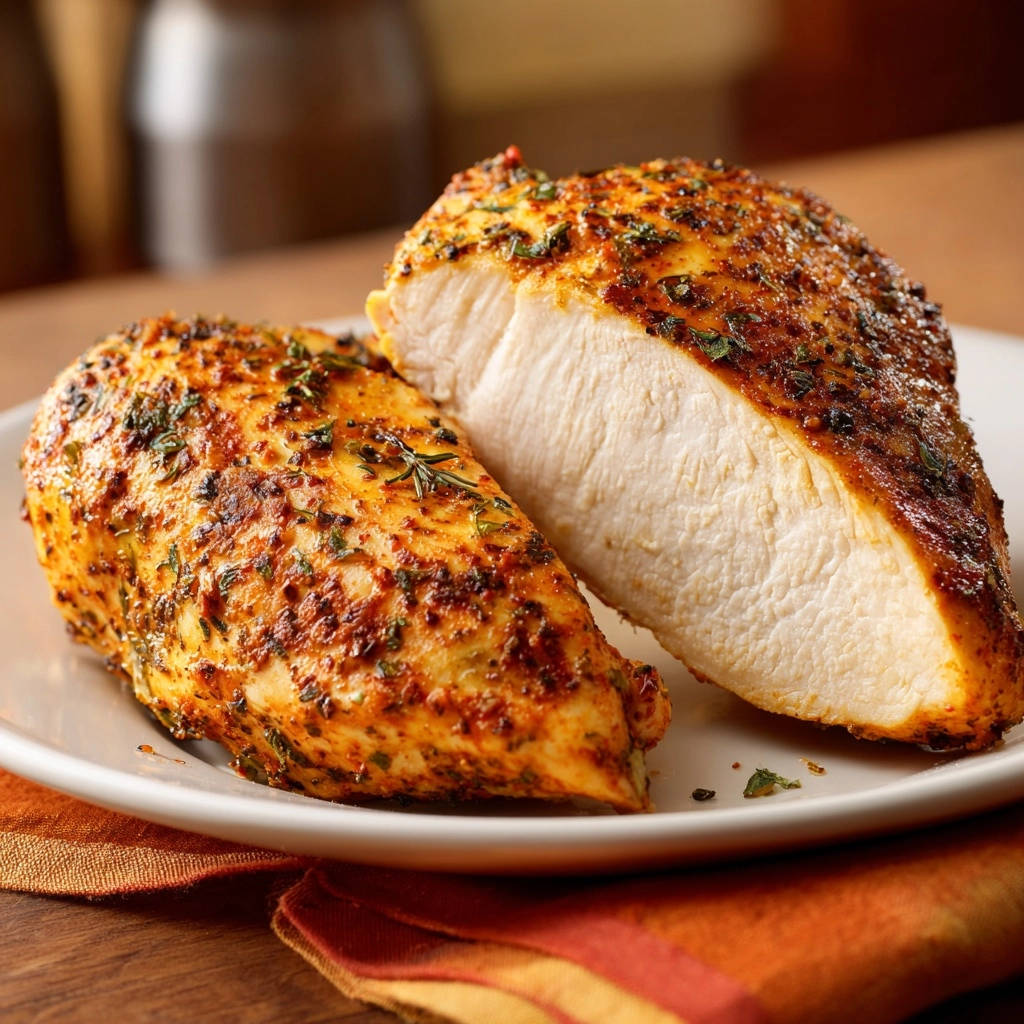
Tired of dry, unevenly cooked chicken breasts? You're not alone. Many home cooks struggle to achieve that perfect balance of a golden-brown, flavorful crust and a succulent, tender interior when preparing pan-seared chicken. The good news? The secret to consistently delicious, juicy pan seared chicken breast isn't a complex chef's technique or a fancy ingredient. It's a simple, yet transformative step that ensures every bite is pure perfection: pounding your chicken to an even thickness.
This overlooked technique is the cornerstone of creating stovetop chicken that rivals your favorite restaurant. By eliminating the variations in thickness that naturally occur in chicken breasts, you guarantee uniform cooking, preventing those frustrating moments where one end is perfectly done while the other remains raw or, worse, completely dried out. Get ready to transform your chicken dinners forever!
The Game-Changing Technique: Why Pounding is Non-Negotiable for Juicy Pan Seared Chicken
Most chicken breasts come with a thicker, bulbous end and a thinner, tapering end. This anatomical reality is the primary culprit behind uneven cooking. When you place an irregularly shaped chicken breast in a hot pan, the thinner parts cook much faster than the thicker parts. By the time the thickest section is cooked through, the thinner sections are inevitably overcooked, tough, and dry.
This is where pounding comes in. Tenderizing your chicken breast to an equal thickness throughout offers several crucial advantages:
- Even Cooking: This is the most significant benefit. When every part of the chicken breast is the same thickness, heat distributes uniformly, ensuring every bite cooks at the same rate. This consistency is key to achieving that perfectly juicy pan seared chicken breast.
- Faster Cooking: Thinner chicken cooks more quickly. Pounding your chicken to a consistent 1 to 1.5-inch thickness drastically cuts down on cooking time, making it a fantastic option for quick weeknight meals.
- Increased Tenderness: The act of pounding physically breaks down the muscle fibers in the chicken. This pre-tenderizes the meat, resulting in a more tender and pleasant texture even before cooking.
- Better Flavor Absorption: A flatter, more uniform surface allows seasonings to adhere better and penetrate the meat more effectively, leading to a more flavorful crust and overall taste.
How to Perfectly Pound Your Chicken Breast
The process is straightforward and requires minimal equipment:
- Prepare Your Workspace: Place a cutting board on a stable surface.
- Cover the Chicken: Lay a boneless, skinless chicken breast on the cutting board. Cover it with a piece of parchment paper, plastic wrap, or even a freezer bag. This prevents chicken bits from flying around and keeps your mallet clean.
- Pound Evenly: Using a meat tenderizer (the flat side is best, or a heavy rolling pin), begin pounding the thickest part of the chicken breast. Work your way outward, applying even pressure until the entire breast is uniform in thickness, aiming for about 1 to 1.5 inches. Don't go too thin, or it might cook too quickly and become dry.
Mastering the Sear: Temperature, Time, and Techniques for Golden Perfection
Once your chicken is evenly pounded and seasoned, the actual searing process is crucial for developing that irresistible golden-brown crust and locking in moisture. This technique hinges on precise temperature control and timing.
The Two-Stage Searing Method
- High Heat for the Initial Sear: Begin by heating your pan (a heavy-bottomed skillet like cast iron or stainless steel is ideal) over medium-high to high heat. Add your fat of choice (butter, olive oil, or avocado oil work well – we'll discuss this more below). Once the fat is shimmering and just starting to smoke, carefully place the seasoned chicken breasts in the hot pan. Ensure not to overcrowd the pan; cook in batches if necessary to maintain pan temperature. Sear for 3-5 minutes without moving them, allowing a beautiful golden-brown crust to form. This initial high heat triggers the Maillard reaction, responsible for complex flavors and a crispy exterior.
- Lower Heat to Finish Cooking: After the first side is deeply golden, flip the chicken breasts. Immediately reduce the heat to medium-low. This allows the chicken to cook through gently without burning the crust. Continue cooking for another 5-7 minutes, or until the internal temperature reaches 165°F (74°C). Use an instant-read thermometer inserted into the thickest part of the chicken for accuracy.
The Critical Resting Period
Once cooked, remove the chicken breasts from the pan and let them rest on a cutting board or plate for at least 5-10 minutes before slicing. This resting period is non-negotiable for juicy pan seared chicken breast. It allows the juices, which have been pushed to the center of the meat during cooking, to redistribute throughout the entire breast. Cutting too soon will cause those precious juices to run out, leaving you with drier chicken.
Flavor Beyond the Pound: Crafting Your Perfect Pan-Seared Chicken Breast
While pounding is the secret to texture, seasoning is where you truly make your pan-seared chicken breast your own. The beauty of this recipe lies in its versatility. A simple blend can be incredibly effective, but don't hesitate to experiment.
Our Go-To Seasoning Blend (and variations!)
A classic, flavorful blend that always delivers features garlic powder, chili powder, ground mustard, salt, and black pepper. For approximately 1.5 lbs of boneless, skinless chicken breast, you'll want about 1.5 tablespoons of this seasoning blend, ensuring good coverage on both sides.
However, the possibilities are endless for customizing your flavor profile:
- Simple & Classic: A generous sprinkle of salt and freshly ground black pepper is always a winner.
- Herbaceous: Use Italian seasoning, dried thyme, rosemary, or oregano.
- Savory & Tangy: Everything Bagel seasoning adds a fantastic crunch and savory depth.
- Creamy & Zesty: Ranch seasoning can bring a familiar, beloved flavor.
- Smoky & Spicy: Smoked paprika, cumin, and a pinch of cayenne pepper.
- Mediterranean Inspired: Oregano, garlic powder, dried mint, and a squeeze of lemon juice after cooking.
Don't be shy with your seasoning! A good crust of spices not only adds flavor but also contributes to the beautiful color and texture of your finished chicken.
Choosing Your Cooking Fat: Butter vs. Oil
The fat you choose plays a role in both flavor and browning.
We often lean towards butter for its rich, nutty flavor and its ability to help achieve a deep golden-brown crust. However, butter has a lower smoke point, meaning it can burn quickly if the heat is too high. If using butter, consider clarifying it or adding a touch of a high-smoke-point oil to prevent scorching.
For a higher smoke point and neutral flavor, olive oil or avocado oil are excellent choices. Avocado oil, in particular, has a very high smoke point, making it suitable for searing at higher temperatures without burning. To delve deeper into this delicious debate, check out our guide on Butter vs. Oil: The Best Way to Sear Your Chicken Breast Juicy.
Expert Tips for Success and Storage
Beyond pounding and searing, a few additional tips will ensure your juicy pan seared chicken breast turns out perfect every time, becoming a reliable staple that's Fool-Proof Pan Seared Chicken Breast: Juicy & Ready in 30 Mins.
- Don't Overcrowd the Pan: Cooking too many chicken breasts at once will lower the pan's temperature, steaming the chicken instead of searing it. Work in batches to maintain high heat and achieve that beautiful crust.
- Pat Dry: Always pat your chicken breasts thoroughly dry with paper towels before seasoning. Excess moisture creates steam, which prevents browning.
- Use a Meat Thermometer: The only sure way to know if your chicken is cooked through without overcooking is to use an instant-read meat thermometer. Chicken is safely cooked at 165°F (74°C).
- Room Temperature Chicken: If time allows, let your chicken breasts sit at room temperature for about 15-20 minutes before cooking. This takes the chill off, promoting more even cooking.
Storing Leftovers and Meal Prep
One of the best things about perfectly cooked pan-seared chicken is its versatility in meal prep:
- Refrigeration: Store cooked chicken in an airtight container in the refrigerator for 3-5 days. To reheat, gently warm on a microwave-safe plate for 60-90 seconds, or in a pan with a splash of broth to retain moisture.
- Freezing: Once completely cooled, transfer cooked chicken breasts to a freezer-safe bag, removing as much air as possible. Seal and freeze for up to 3 months. Thaw overnight in the refrigerator before reheating. This makes for super convenient future meals!
This method for juicy pan seared chicken breast is a game-changer for salads, sandwiches, pasta dishes, or simply served with your favorite sides. It’s high in protein, quick to prepare, and incredibly delicious.
Ultimately, the secret to consistently tender, flavorful, and juicy pan seared chicken breast lies in mastering a few simple principles. By taking the crucial step to pound your chicken to an even thickness, controlling your pan temperature, and allowing for a brief rest, you unlock a world of culinary possibilities. Say goodbye to dry, uninspiring chicken and hello to perfectly cooked, succulent results every single time. Give this technique a try, and prepare to elevate your everyday meals to extraordinary!
