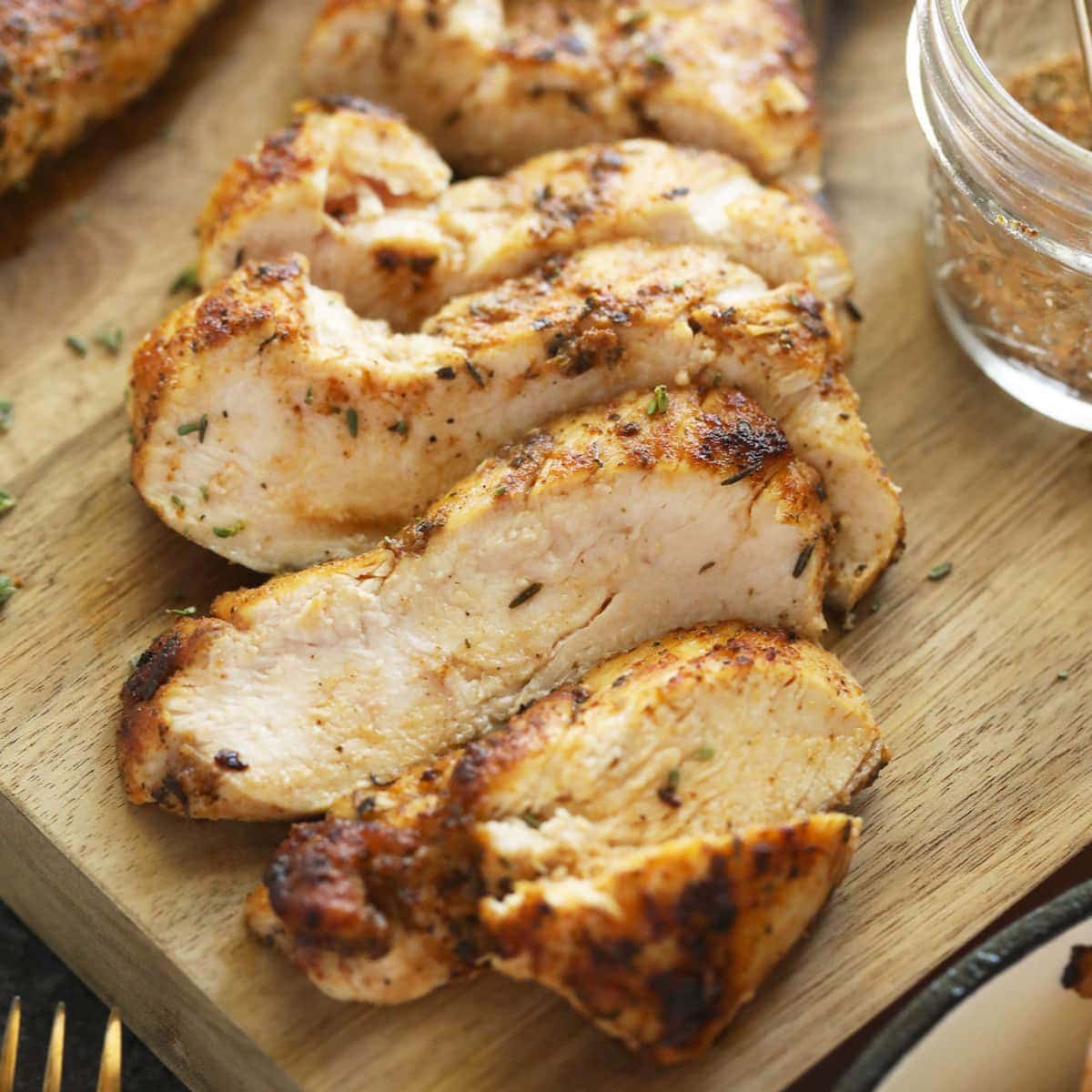
The quest for a perfectly cooked chicken breast often feels like an elusive culinary holy grail. Too often, we're left with dry, rubbery results that leave us wishing we'd ordered takeout. But what if we told you the secret to a consistently juicy pan seared chicken breast lies in understanding a few key techniques and making an informed choice between butter and oil?
Pan searing is a fantastic method for cooking chicken breast quickly on the stovetop, yielding a beautiful golden-brown crust and a tender, succulent interior. It's a method championed by home cooks and culinary experts alike for its simplicity and incredible results. This article dives deep into the nuances of achieving that coveted juiciness, focusing on the critical role of your cooking fat and other essential steps.
The Foundation of a Truly Juicy Pan Seared Chicken Breast
Before you even think about butter or oil, the journey to a flawless pan-seared chicken breast begins with proper preparation. This often overlooked initial step is perhaps the most crucial for ensuring even cooking and maximum juiciness.
Pounding for Perfection: Even Thickness is Key
One of the biggest culprits behind dry chicken breast is uneven cooking. Chicken breasts naturally vary in thickness, with one end often much thicker than the other. When you cook an uneven piece, the thinner parts will inevitably overcook and dry out by the time the thicker parts are done. This is where a simple meat tenderizer becomes your best friend.
- Why it matters: Pounding your chicken breast to a consistent thickness (ideally 1 to 1.5 inches) ensures every part cooks at the same rate. This eliminates dry spots and guarantees uniform tenderness.
- How to do it: Place your boneless, skinless chicken breast on a cutting board. Cover it with parchment paper or plastic wrap to prevent splattering. Using the flat side of a meat tenderizer (or even a heavy-bottomed pan), gently but firmly pound the chicken until it reaches your desired even thickness. Remember, the thinner you pound it, the faster it will cook.
For more detailed insights on this vital step, check out our guide on The Secret to Perfectly Juicy Pan Seared Chicken: Pound It Even.
Seasoning: More Than Just Flavor
While pounding ensures even cooking, seasoning ensures an explosion of flavor. Don't underestimate the power of a well-seasoned chicken breast. Not only does it enhance taste, but some seasonings can also contribute to a beautiful crust.
A good starting point for 1.5 lbs of boneless, skinless chicken breast is about 1.5 tablespoons of a robust chicken seasoning blend. This can include:
- Classic Blend: Garlic powder, chili powder, ground mustard, and salt. This combination offers a savory, slightly spicy, and aromatic profile.
- Simple & Elegant: A generous sprinkle of salt and freshly ground black pepper is often all you need to let the chicken's natural flavors shine.
- Italian Flair: Italian seasoning brings a fragrant herb mix perfect for Mediterranean-inspired dishes.
- Bold & Savory: Everything bagel seasoning adds a delightful crunch and a unique savory profile.
- Creamy & Zesty: Ranch seasoning can add a tangy, herb-infused kick that pairs wonderfully with chicken.
Feel free to experiment and make the flavors your own. The key is to season generously on both sides, ensuring every bite is packed with deliciousness.
Butter vs. Oil: The Ultimate Searing Showdown
Now, for the main event: the choice of fat. This decision significantly impacts the flavor, crust, and overall success of your juicy pan seared chicken breast. Both butter and oil have their strengths and weaknesses, making the "best" choice dependent on your priorities and technique.
The Allure of Butter
Butter is often the first choice for many home cooks, and for good reason. Its rich, creamy flavor is unparalleled, and it helps create a gorgeous golden-brown crust due to its milk solids caramelizing during cooking. The Maillard reaction, responsible for that coveted browning and complex flavor, is beautifully enhanced by butter.
- Pros: Unbeatable flavor, contributes to a beautiful golden crust, enhances the Maillard reaction.
- Cons: Low smoke point (around 302-350°F / 150-177°C). If cooked over very high heat for too long, butter can burn quickly, turning black and imparting a bitter taste to your chicken.
The Versatility of Oil
Oils generally have higher smoke points than butter, making them ideal for high-heat searing without the risk of burning. However, not all oils are created equal.
- Olive Oil: Offers a pleasant, fruity flavor that complements chicken well. Its smoke point is moderate (around 375°F / 190°C), making it suitable for medium-high heat. However, extra virgin olive oil has a lower smoke point and is better reserved for finishing dishes.
- Avocado Oil: This is often recommended for pan searing due to its exceptionally high smoke point (around 520°F / 271°C) and neutral flavor. It allows the chicken's seasoning to shine while providing excellent heat transfer for a crisp sear.
- Other Neutral Oils (Canola, Grapeseed, Sunflower): These oils also boast high smoke points and neutral flavors, making them reliable choices for searing without adding competing tastes.
The Hybrid Approach: Getting the Best of Both Worlds
While the reference context suggests a preference for butter or avocado oil, our analysis reveals an even better strategy: combining them. This hybrid approach leverages the best attributes of both fats to achieve an incredibly flavorful and perfectly seared chicken breast without the risk of burning.
- Start with High-Smoke-Point Oil: Begin by heating a neutral, high-smoke-point oil like avocado oil, grapeseed oil, or even a light olive oil in your pan over high heat. This provides the ideal medium for the initial sear, ensuring a beautiful crust forms without burning.
- Finish with Butter: Once you've flipped your chicken and reduced the heat to medium-low, add a tablespoon or two of butter to the pan. As the chicken finishes cooking, the butter will melt, baste the chicken, and contribute its rich flavor and golden hue without burning. The lower heat at this stage is perfect for butter's lower smoke point.
This technique allows you to achieve the crisp, flavorful crust facilitated by high-heat searing with oil, while still incorporating the luxurious taste and browning capabilities of butter.
Mastering the Sear: Temperature and Technique
Beyond the fat, the actual searing process and temperature control are paramount to achieving that coveted juicy pan seared chicken breast.
The Secret to the Perfect Sear: High Heat First
The key to a gorgeous golden-brown exterior is starting with high heat. This rapidly develops the crust through the Maillard reaction. Preheat your pan (preferably cast iron or stainless steel) until it's quite hot but not smoking excessively. Add your chosen fat – if using the hybrid method, start with oil – and let it shimmer before adding the chicken.
Sear your pounded chicken breast over high heat for just a few minutes, typically 3-5 minutes per side, until a beautiful golden-brown crust forms. Resist the urge to move or flip the chicken too early; let it develop that crust.
Flip, Reduce, and Finish
Once one side is beautifully seared, flip the chicken. Immediately reduce the heat to medium-low. This crucial step allows the chicken to cook through gently without burning the exterior. Continue cooking for another 5-8 minutes, or until the internal temperature reaches 165°F (74°C) as measured by an instant-read thermometer. The cooking time will vary depending on the thickness of your pounded chicken.
Pro Tip: Don't Overcrowd the Pan! Cook in batches if necessary. Overcrowding lowers the pan temperature, steaming the chicken instead of searing it, resulting in a less-than-crisp exterior.
The All-Important Rest
Once cooked, transfer your chicken breast to a cutting board and let it rest for 5-10 minutes before slicing. This is a non-negotiable step for truly juicy chicken. Resting allows the muscle fibers to relax and reabsorb the juices that have migrated to the center during cooking. Cutting into it too soon will cause all those precious juices to run out, leaving you with dry meat.
Beyond the Pan: Storing and Reheating for Continued Juiciness
Congratulations, you've mastered the art of the juicy pan seared chicken breast! But what about leftovers? Proper storage and reheating techniques are essential to maintain that delicious texture and flavor.
Storing Leftover Chicken
Once cooled to room temperature, transfer your cooked chicken breast to an airtight container and store it in the refrigerator. It will remain fresh and delicious for 3-5 days.
Reheating Without Drying Out
Reheating chicken can often lead to dryness if not done carefully. For best results:
- Microwave: Place the chicken on a microwave-safe plate. To help retain moisture, consider adding a splash of chicken broth or water to the plate and covering it loosely. Microwave on high for 60-90 seconds, checking for warmth. Avoid overheating.
- Stovetop: Gently reheat in a pan over low heat with a little more butter or oil, and a lid, until warmed through. This can help preserve moisture.
Freezing Cooked Chicken
If you've made a larger batch, cooked chicken breast freezes beautifully for future meals:
- Allow the chicken breast to cool completely.
- Transfer the cooked chicken into a freezer-safe gallon-size bag or vacuum-seal bag.
- Remove as much air as possible before sealing.
- Freeze for up to 3 months.
To use from frozen, simply thaw the chicken breast in the refrigerator overnight. Then, reheat using one of the methods above. This makes it perfect for meal prep, making your cooking efforts last even longer. This entire process, from start to finish, is designed to be efficient and effective, as highlighted in our article: Fool-Proof Pan Seared Chicken Breast: Juicy & Ready in 30 Mins.
Achieving a truly juicy pan seared chicken breast is entirely within reach with the right knowledge and techniques. From the foundational step of pounding your chicken to an even thickness, through the strategic choice and use of cooking fats like the hybrid butter and oil method, and finally to the critical resting period, each stage plays a vital role. Experiment with different seasonings, master your pan's temperature, and enjoy the satisfaction of serving up consistently tender, flavorful, and perfectly seared chicken every time. Happy cooking!
